METABOLIC / DIRECT CATALOG PRICING
NAD+
NAD+ is the oxidized form of nicotinamide adenine dinucleotide, an endogenous dinucleotide coenzyme and electron carrier rather than a peptide.
- Format
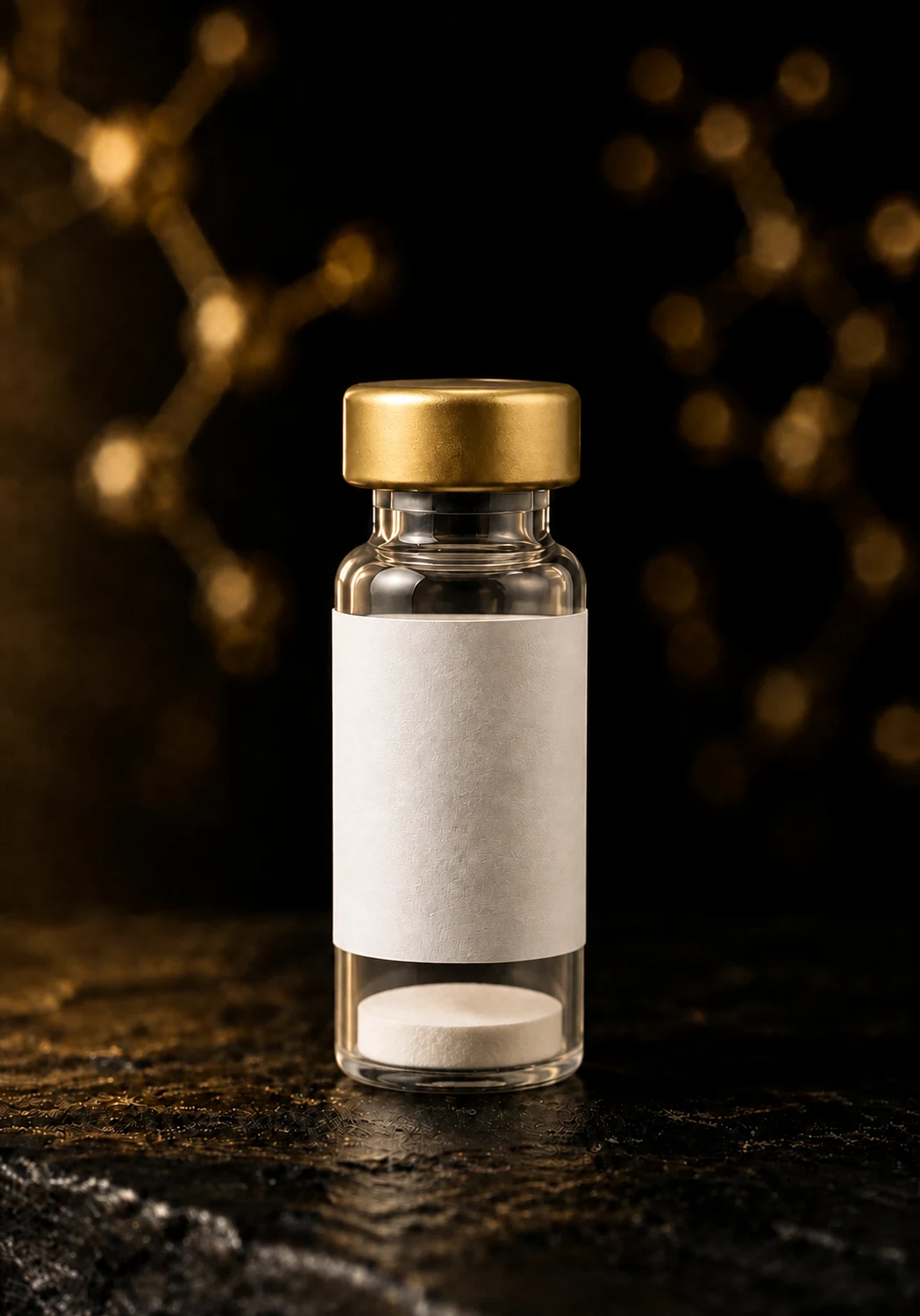
- Lyophilized research vial
- Listed formats
- 1
- Available now
- 1
- Catalog class
- Metabolic
Choose a listed format
- 1,000 mg$43.00 · AvailableSelect format
Pricing, availability, quantity tiers, and member eligibility are checked again when an order is submitted.
TECHNICAL OVERVIEW
Identity first, claims kept in scope.
NAD+ is the oxidized form of nicotinamide adenine dinucleotide, an endogenous dinucleotide coenzyme and electron carrier rather than a peptide.
The metabolic classification supports catalog navigation; it does not establish efficacy, safety, approval, human use, or equivalence to a material used in a cited study.
SPECIFICATIONS
- Material class
- Metabolic
- Physical format
- Lyophilized vial
- Research status
- Research purposes only
- Commerce status
- 1 format currently orderable
PLAIN-LANGUAGE RESEARCH SNAPSHOT
What researchers have actually studied.
NAD+ is the oxidized form of nicotinamide adenine dinucleotide, an endogenous dinucleotide coenzyme and electron carrier rather than a peptide.
- Research covered
- Biochemical research characterizes the NAD+/NADH pair as a widely distributed redox cofactor that cycles between oxidized and reduced forms in enzymatic reactions.
- Important limit
- A product name and mass do not establish counterions, hydration state, purity, or equivalence to a specific NAD+ preparation used in research.
FACTUAL FAQ
NAD+ catalog questions
What formats are currently listed?
1,000 mg. Current price and stock state appear above.
What did researchers study?
Biochemical research characterizes the NAD+/NADH pair as a widely distributed redox cofactor that cycles between oxidized and reduced forms in enzymatic reactions.
What is the most important evidence limit?
A product name and mass do not establish counterions, hydration state, purity, or equivalence to a specific NAD+ preparation used in research.
How should this listing be interpreted?
It is a research-material catalog listing, not medical guidance, a dosage recommendation, a safety or efficacy claim, or evidence of regulatory approval.
Where can I review related scientific references?
Use the PSC research library to locate general and compound-related source material. Open related research references →