METABOLIC / DIRECT CATALOG PRICING
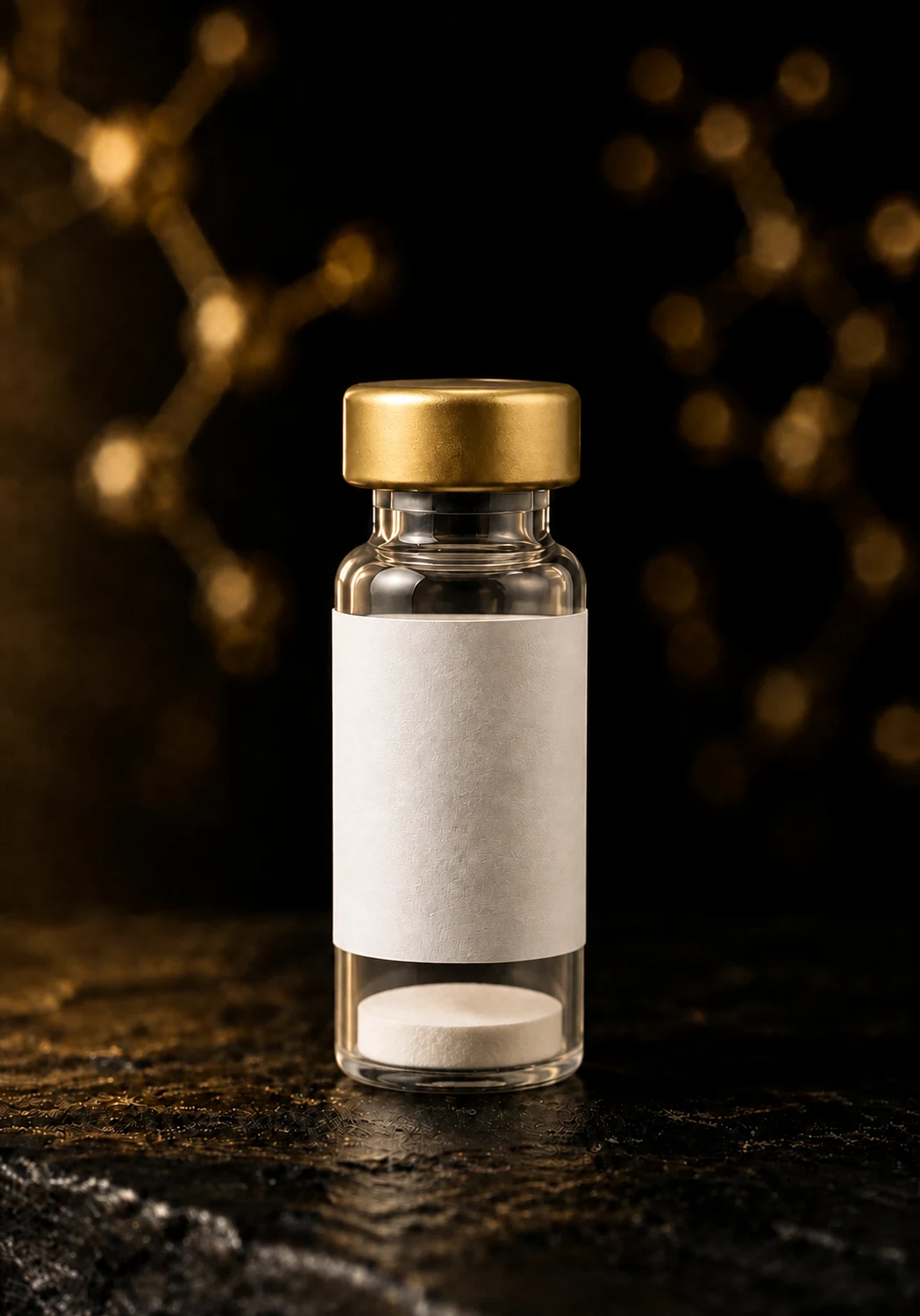
NAD+ Buffered
NAD+ is the oxidized form of nicotinamide adenine dinucleotide, an endogenous dinucleotide coenzyme and electron carrier rather than a peptide; the catalog does not disclose what 'Buffered' adds to the 500 mg material.
- Format
- Lyophilized research vial
- Listed formats
- 1
- Available now
- 1
- Catalog class
- Metabolic
Choose a listed format
- 500 mg$30.00 · AvailableSelect format
Pricing, availability, quantity tiers, and member eligibility are checked again when an order is submitted.
TECHNICAL OVERVIEW
Identity first, claims kept in scope.
NAD+ is the oxidized form of nicotinamide adenine dinucleotide, an endogenous dinucleotide coenzyme and electron carrier rather than a peptide; the catalog does not disclose what 'Buffered' adds to the 500 mg material.
The metabolic classification supports catalog navigation; it does not establish efficacy, safety, approval, human use, or equivalence to a material used in a cited study.
SPECIFICATIONS
- Material class
- Metabolic
- Physical format
- Lyophilized vial
- Research status
- Research purposes only
- Commerce status
- 1 format currently orderable
PLAIN-LANGUAGE RESEARCH SNAPSHOT
What researchers have actually studied.
NAD+ is the oxidized form of nicotinamide adenine dinucleotide, an endogenous dinucleotide coenzyme and electron carrier rather than a peptide; the catalog does not disclose what 'Buffered' adds to the 500 mg material.
- Research covered
- Biochemical research characterizes the NAD+/NADH pair as a widely distributed redox cofactor that cycles between oxidized and reduced forms in enzymatic reactions.
- Important limit
- The authoritative chemical record does not identify this product's buffer, counterions, hydration state, purity, or equivalence to a particular experimental preparation.
FACTUAL FAQ
NAD+ Buffered catalog questions
What formats are currently listed?
500 mg. Current price and stock state appear above.
What did researchers study?
Biochemical research characterizes the NAD+/NADH pair as a widely distributed redox cofactor that cycles between oxidized and reduced forms in enzymatic reactions.
What is the most important evidence limit?
The authoritative chemical record does not identify this product's buffer, counterions, hydration state, purity, or equivalence to a particular experimental preparation.
How should this listing be interpreted?
It is a research-material catalog listing, not medical guidance, a dosage recommendation, a safety or efficacy claim, or evidence of regulatory approval.
Where can I review related scientific references?
Use the PSC research library to locate general and compound-related source material. Open related research references →